

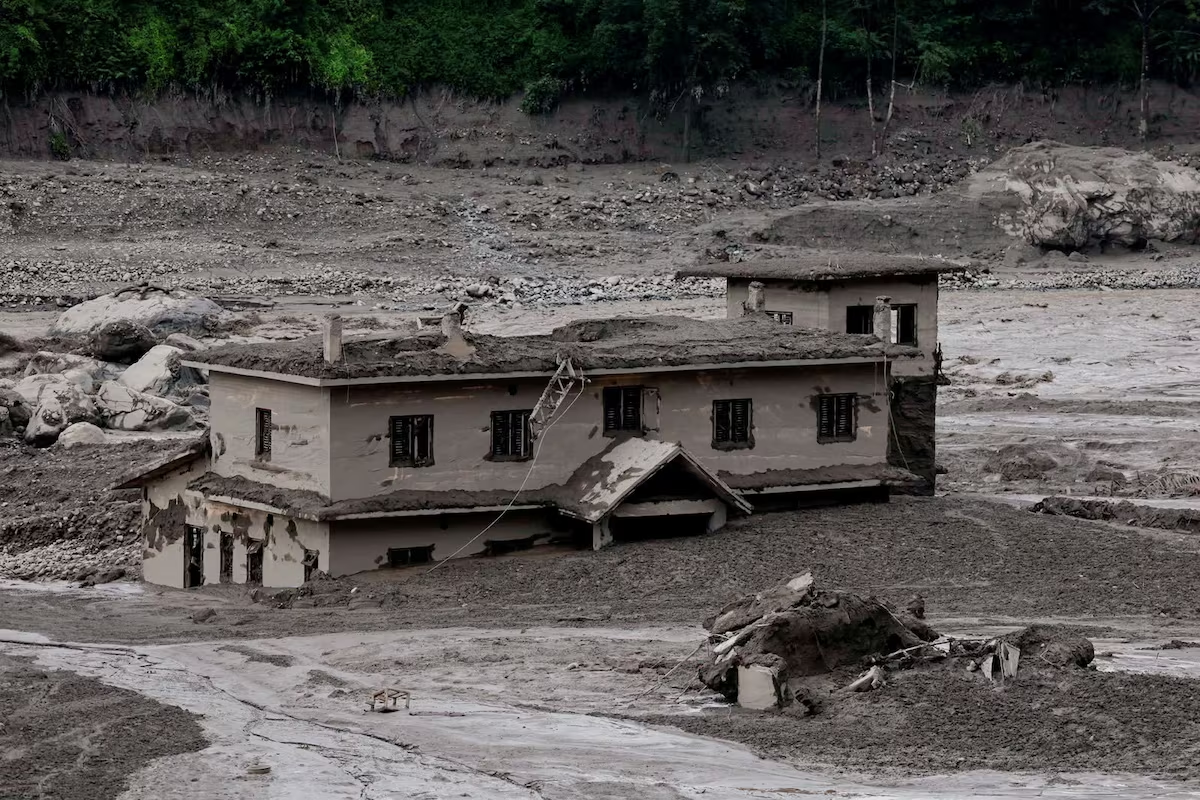
Kathmandu, Nepal — September 26, 2026: A devastating Nepal flood which had killed over 1451 people in the Bhote Koshi and Trishuli river system, on August 26, is very one of Nepal’s worst flood calamities in recent times.
However, search and recovery is ongoing in Rasuwa, Nuwakot, Dhading, Chitwan & other affected districts one month after the disaster. The disaster has damaged and even destroyed houses, road, bridge infrastructure, hydropower plants, agricultural land and other key facilities in the communities, which are now facing difficulties to rebuild transport, electricity, communications and livelihoods.
The United Nations in Nepal said on September 26 that the latest government figures record more than 1,451 deaths and more than 5,000 people still missing. According to the UN report, 13 hydropower projects were also impacted and economists are estimating the overall economic losses and damage at approximately 4-5 percent of GDP for Nepal.
Nepal Flood Death Toll and Missing Persons
The most recent official statistics reveal the extent of the human tragedy.
According to Nepal’s Ministry of Finance, preliminary figures of casualties in the disaster are 1,451 (NDRRMA and Nepal Police data as per the Ministry’s live update as of 24th September) with 5,786 people missing and 13,784 people rescued. The missing include people from several districts as well as hundreds of foreign nationals. Recovered bodies have been difficult to locate since many victims were swept or buried under mud, rocks, and debris.
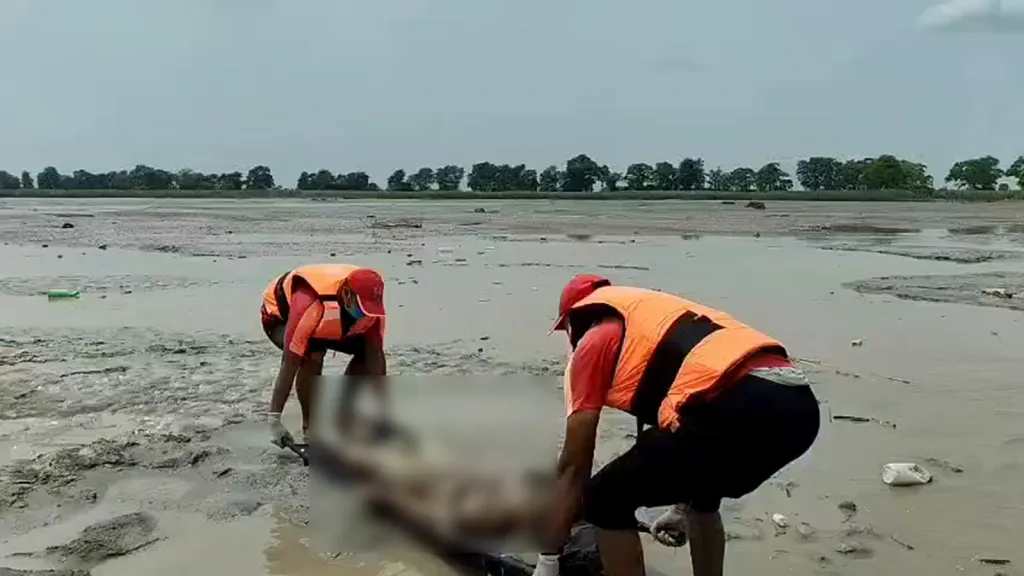
Nepal Police has already started collecting DNA samples from recovered bodies and missing persons’ families to aid to achieving identification and repatriation of bodies to families. Most casualties should therefore be considered as continuous and not as a final death toll.
How the Nepal Flood Disaster Happened
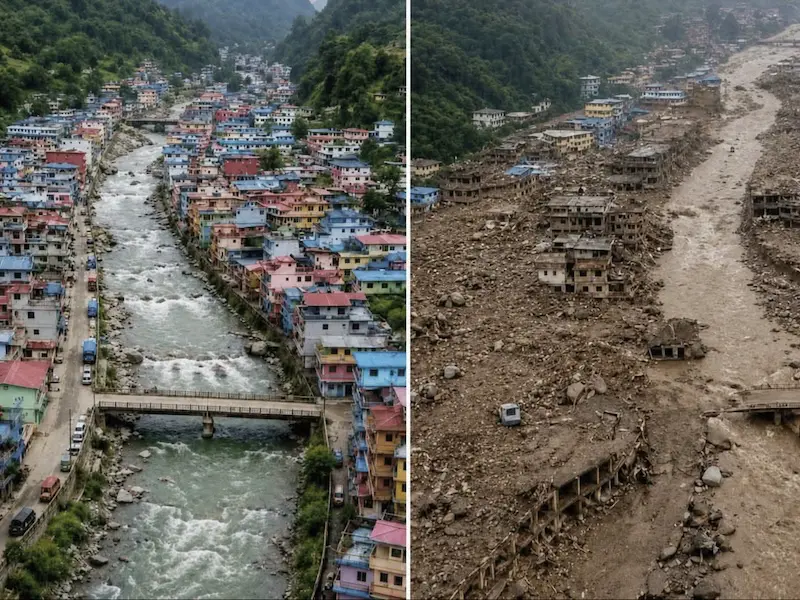
The disaster started on 26 August when a huge ice-and-rock collapse occurred in the Himalayan region which caused a devastating surge traverse along the river system close to the Nepal-China border. These affected communities, infrastructure and construction sites along the Bhote Koshi and Trishuli corridors were affected within a very short span.
The effect of flash flood was especially felt in the areas of Rasuwa, Nuwakot and Dhading, and other districts in Gorkha, Chitwan were also affected. The event was so powerful that bridges, buildings and sections of transport infrastructure were swept away or severely damaged.
Typically, thousands of houses were damaged.
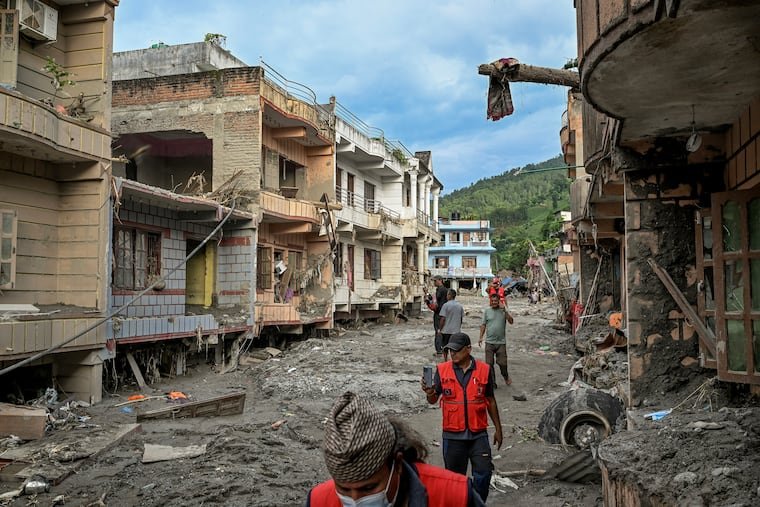
Flash Flooding resulted in widespread damage to residences, according to government evaluations. A Rapid Damage and Needs Assessment found that approximately 7,570 houses were damaged, affecting communities across five districts. Nuwakot had the highest number of houses damaged followed by Rasuwa and Dhading.
The evaluation was made that around 32,963 individuals were impacted in the five districts. For many families the damage is more than the loss of a building. Residences had furniture, private papers, animals, implements and other valuable property that can’t be easily replaced.
Roads and Bridges Washed Away
One of the most visible damages has been caused to the transportation infrastructure.
The government estimates that about:
55 kilometres of roads
37 motorable bridges
68 suspension bridges
Numerous local roads and access routes
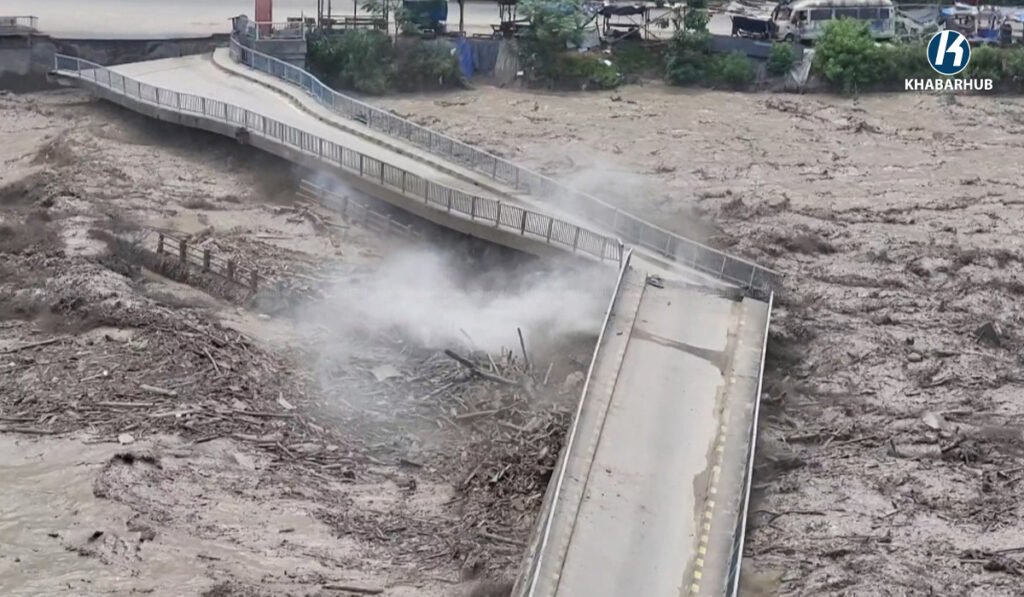
The devastation disrupted communication links and hindered rescue and relief efforts. Authorities have been working to reopen roads and install temporary bridges. An Acrow bridge over the Tadi River at Devighat was installed to restore part of the Galchhi–Trishuli road connection. But, reconstruction of permanent transportation connections will be far more time consuming and costlier. Hydroelectric infrastructure was seriously damaged by the disaster.
Nepal’s hydropower sector was among the hardest-hit parts of the country’s infrastructure. The Government’s evaluations showed that 13 hydropower plants were affected as well as some other power plants. A preliminary study had estimated that hydropower generation capacity loss ranged around 783 MW. Several hydropower construction sites were directly hit by the flood, with workers among those reported missing. The damage has also impacted electricity transmission and access to remote communities. The effect on Nepal’s hydropower is especially important given the fact that the sector has a key role in the country’s electricity production, industrial development and export aspirations.
Agricultural Land and Livelihoods Destroyed
The flood also affected farmers’ field and hampered the economic activity of people. In the earlier assessment by government, around 1806 hectares of agricultural area affected due to the disaster were found. The loss of productive land, livestock, farm equipment, or roads make re-construction more challenging for farmers who have been impacted. Reconstructing physical infrastructure does not restore household income immediately. Tourism, trade, transportation and businesses located along the affected river corridors have also suffered disruption.
Nepal Flood Damage and Economic Loss
The disaster has a tremendous economic price tag. The government of Nepal’s Rapid Damage and Needs Assessment estimated about US$1.8 billion in direct damage and US$883 million in losses. The evaluation estimated the projected reconstruction costs at US$4.78 billion. According to The Kathmandu Post, the estimated reconstruction cost of infrastructure stands at Rs 723.31 billion and infrastructure includes about 75 percent of the reconstruction cost.
This includes rebuilding and restoring roads, bridges, hydropower facilities, homes and essential public services. Assessments are not a complete final estimate of all the losses. Nepal is continuing a more comprehensive post-disaster assessment to establish the full requirements for recovery and reconstruction.
Infrastructure Damage Could Take Years to Rebuild
The physical destruction means Nepal faces a long reconstruction process. The government’s assessment has identified major needs across:
- Roads and highways
- Motorable and suspension bridges
- Hydropower projects
- Electricity transmission infrastructure
- Houses
- Government buildings
- Schools
- Health facilities
- Agricultural land
- Local infrastructure
- Telecommunications
- Tourisms and Commercial facilities
The United Nations reported that the disaster had significant consequences on transport, trade and tourism and displaced a significant number of people, among them thousands of houses and livelihoods, and also in the access to the basic service.
Search and Rescue Operations Continue
Although the disaster occurred one month ago, search and recovery operations have not ended.
Search is still on-going for places where people may have been trapped or swept away, including around hydropower projects, tunnels and around damaged river areas.
Nepal has also received international assistance for search, rescue, medical support and recovery.
Rescue teams and specialist help have arrived from around the world, including India, China, South Korea, United Arab Emirates, Malaysia and Australia, among others, according to its ministry of Foreign Affairs.
The government has also requested specialised equipment, including drones, LiDAR systems, Bailey bridges, underwater drones, pumps and DNA-testing equipment.
Communities will take a long time to recover.
The post-flood period was far from over for those who survived.
Homes are damaged or destroyed, livelihoods are lost and transportation is affected, and family members are missing.
The health services too are impactful. According to Direct Relief, based on WHO Nepal and NDRRMA reports, three health posts were completely destroyed, one hospital sustained damage and two further health facilities were also made inaccessible.
The disruption is especially severe in remote communities, where people have already had to cross long distances to access a hospital or obtain key supplies.
Nepal’s Reconstruction Bill
The government estimates that approximately US$4.78 billion will be required for reconstruction and recovery.
The Ministry of Foreign Affairs said approximately US$57.67 million was estimated for short-term reconstruction and recovery during the first six months, while approximately US$4.71 billion was expected to be needed for longer-term reconstruction.
The scale of the reconstruction requirement means Nepal will likely need substantial domestic resources as well as international financial and technical assistance.
A National Disaster With Long-Term Consequences
The August 26 flood has left Nepal facing simultaneous humanitarian, infrastructure and economic challenges.
The most urgent need is to identify missing persons, provide care for families affected and bringing back essential services. The longer-term challenge will be to reconstruct infrastructure in a way that resists growing natural hazard impacts.
The United Nations says the disaster’s impact extends beyond the immediate physical destruction, with major consequences for homes, livelihoods, transport, trade and tourism. One month after the flood, Nepal is therefore entering a new phase of the disaster: moving from emergency rescue and relief toward a reconstruction effort that could take years and require billions of dollars.
The final human and economic damage is yet to be measured.
This report has been created with the most up-to-date government connected data accessed on September 26, 2026. Casualty and missing person figures are subject to change as the search, recovery, identification and verification process continues. gov report
you may also like to read- USAID, Niti Sambad Nepal’s Political Network in 2022: What the Leaked Documents Reveal