

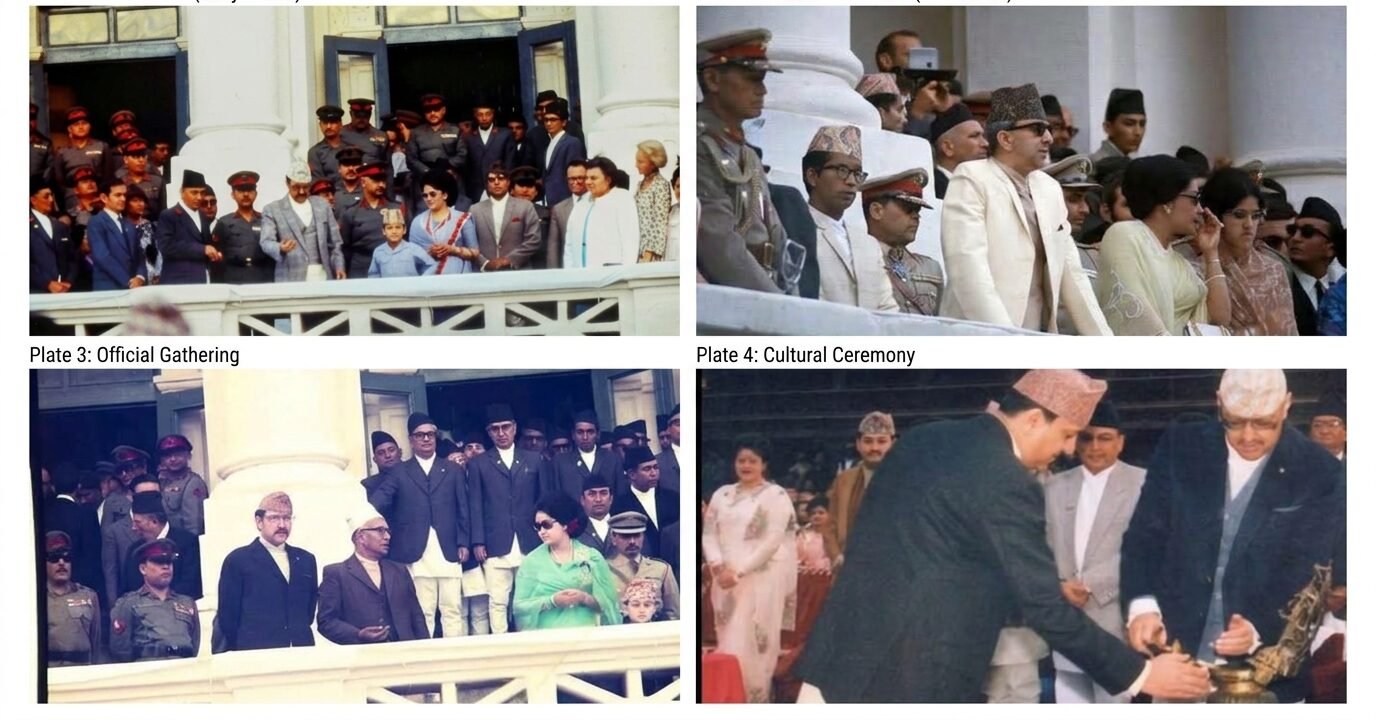
Relation between Shah kings and Nepalese culture
Nepal’s cultural heritage is deeply connected to its ancient temples, religious ceremonies, traditional festivals and customs passed down through generations. There is an important historical link between the The Shah kings and Nepalese culture, with many traditional religious and cultural practices continuing today. In Kathmandu Valley, many of these traditions developed centuries before the Shah dynasty came to power. The Shah Kings inherited this rich cultural landscape and continued to participate in and support a number of established traditions.
The reverence of the living goddess Kumari by Prithvi Narayan Shah, and the continued religious festival, especially Indra Jatra, by his successors, prove that the Shah dynasty did not break the cultural traditions of Nepal. Even after Nepal abolished its monarchy in 2008, members of the former royal family retained their personal and cultural connections to Nepal’s religious heritage.
It’s not just a tale of a royal family that upholds traditions. It’s also about the Newar communities, the priests, the artisans, the religious institutions, the families, who have sustained the culture of Nepal across the generations.
Prithvi Narayan Shah and the Traditions of Kathmandu Valley
Prithvi Narayan Shah conquered Kathmandu in 1768 and completed the conquest of the Kathmandu Valley in 1769. His victory brought Kathmandu, Patan and Bhaktapur under the expanding Gorkha kingdom, ending the rule of the Malla kings in the valley.
The political change, however, left intact the religious traditions and cultural values of the region. The valley already possessed a rich heritage of temples, palaces, festivals, art and traditional community institutions.
According to historical record, Prithvi Narayan Shah received tika and blessings from Kumari (the living goddess at Kathmandu) on conquerment of Kathmandu. By observing this established tradition, he provides a significant example of the Shah dynasty’s dealing with the customs of society conquered.
The new rulers continued with these practices, thus linking in with a culture that had developed over the centuries. The Shah dynasty was adopted into Nepal’s existing traditions, not to take the place of the whole valley’s religious life.
Continuing the Tradition of Kumari Worship
One of the most peculiar religious practices in Kathmandu is Kumari worship. It is believed that a young girl in Nawar community is the living incarnation of the goddess Taleju and the institution has a long history that is related with the religious and royal activity in Kathmandu city.
After the Malla era, the Kumari practice was closely linked with the palace. The tradition was continued as the Shah retook glory and the link between the monarchy and the Kumari became cultural.
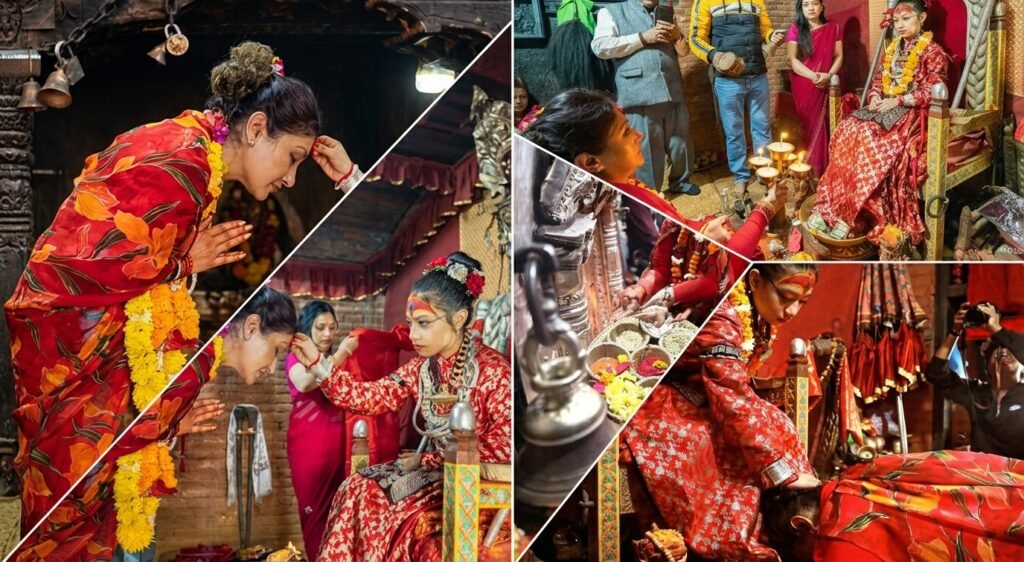
In Indra Jatra, the appearance of the Kumari with her chariot pulls and dances with huge attendance through the historic Kathmandu has been still a show which continues to draw very large crowds. The festival is an example of the relationship between religion, identity and public life in the valley.
The significance of this cultural continuity through shifts in political authority is reflected in the survival of Kumari worship. However, this tradition continues today through the dedication of the Newar community, religious devotees, and those who organise the ceremonies associated with the Kumari, even though the charm, grandeur, and royal aura once associated with the king and his throne have faded.
Respecting Indra Jatra and Other Traditional Festivals
Indra Jatra is one of the most important annual festivals of Kathmandu. Celebrated by the Newar community, it features chariot processions, masked dances, traditional music, religious ceremonies and the display of sacred images.
The festival existed before the Shah dynasty took control of Kathmandu. After the conquest, its established traditions continued, while some elements acquired additional royal and political significance under Shah rule.
To this day, Indra Jatra is an integral landmark in Kathmandu’s cultural landscape. The continuity demonstrates how an old festival has been able to sustain itself through different rulers and political systems but remains firmly connected to the people celebrating it.
The roots of other festivals and religious events in Nepal can similarly be traced back to a long history. Dashain, Tihar and many local jatras still bring the families and communities together. Although customs and the organisation of celebrations have changed over time, many traditional practices remain important to Nepalese cultural life.
Preserving Temples, Palaces and Ancient Architecture
Kathmandu Valley is famous for its pagoda-style temples, historic palace courtyards, carved wooden windows, stone sculptures and traditional brick buildings. Much of this architectural heritage flourished under the Malla kings, before the Shah dynasty came to power.
The Shah rulers inherited these monuments and continued to use some historic royal complexes. Successive governments and generations also contributed to the maintenance and restoration of important sites.
Places such as Hanuman Dhoka, Kathmandu Durbar Square, Patan Durbar Square and Bhaktapur Durbar Square preserve evidence of the valley’s long artistic and architectural history.
These sites are not simply reminders of former kings. They remain connected to religious practices, public celebrations, local identities and the work of traditional artisans. Their survival reflects the combined contributions of earlier rulers, later governments and communities that continue to value their heritage.
The Importance of Hindu and Buddhist Traditions
In the Hindu kingdom of the Kathmandu Valley, Hinduism and Buddhism have long existed together and influenced each other. The two faiths have shared a history of centuries, which is reflected in sacred sites, religious festivals, artistic practices and local customs.
This complicated religious landscape was passed on to the Shah dynasty. Hindu temples, Buddhist monasteries and sacred places continued to hold important roles in the lives of local communities.
Religious practices were upheld in daily worship, family ceremonies and pilgrimage, festivals and through priests and religious institutions. Many of these things were not done within the royal residence, but instead required the involvement of the populace.
The continuity of the Hindu and Buddhist culture is example enough of why the heritage of Kathmandu Valley is not of a single dynasty. It is a product of cultural mixing and religious activity over the centuries.
How local communities helped preserve traditions
One of the most important institutions in the preservation of Kathmandu Valley’s cultural heritage is the traditional guthi system. Historically, guthis have been involved in festivals, religious activities, temple maintenance and other cultural obligations within the community.
These institutions were present well before the Shah and have been a part of the community well before the Shah. They play an important role in coordinating traditional events, keeping up ritual duties and transmitting knowledge from generation to generation.
Newar communities have also preserved specialised skills in wood carving, metalwork, stone sculpture, painting and traditional architecture. Priests and religious practitioners hold ceremonies, and families pass on customs to younger generations for certain festivals and sacred sites.
Even if kings and governments provided assistance, many traditions may be hard to maintain if they were not encouraged by the ongoing efforts of the communities.
The Shah Royal Family After the Monarchy Ended in 2008
Nepal became a republic in 2008, ending the Shah dynasty’s role as the country’s ruling monarchy. King Gyanendra Shah abdicated the throne and the uptil then official functions of the kingship were no longer performed by the royal family. Yet, for many people who value Nepal’s royal traditions, particularly within the Newar community of Kathmandu Valley, the end of the monarchy meant more than a change in the political system. It also symbolized the departure of an established royal influence in the nation’s culture and religion.
For generations, Nepal’s kings were closely associated with important festivals and religious ceremonies. They were not just formally present, but rather, they were part of a centuries-old association of the monarchies with local communities and local religious practices. The presence of the King had historical and cultural significance for many Newars during the festivals like Indra Jatra. The sight of the King receiving the blessing of the Living Goddess Kumari was a powerful symbol of the connection between the monarchy and Kathmandu’s ancient traditions.
After the abolition of the monarchy, the Presidents of Nepal have assumed some of the Old roles of the King, such as attending key religious and cultural events. But, in the case of the President, his own presence does not necessarily restore the spirit or feeling of the first ceremonies in the sense of royal involvement. They feel that the King’s historical role, the traditions surrounding the royal institution and the significance attached to his presence cannot simply be transferred to another office.
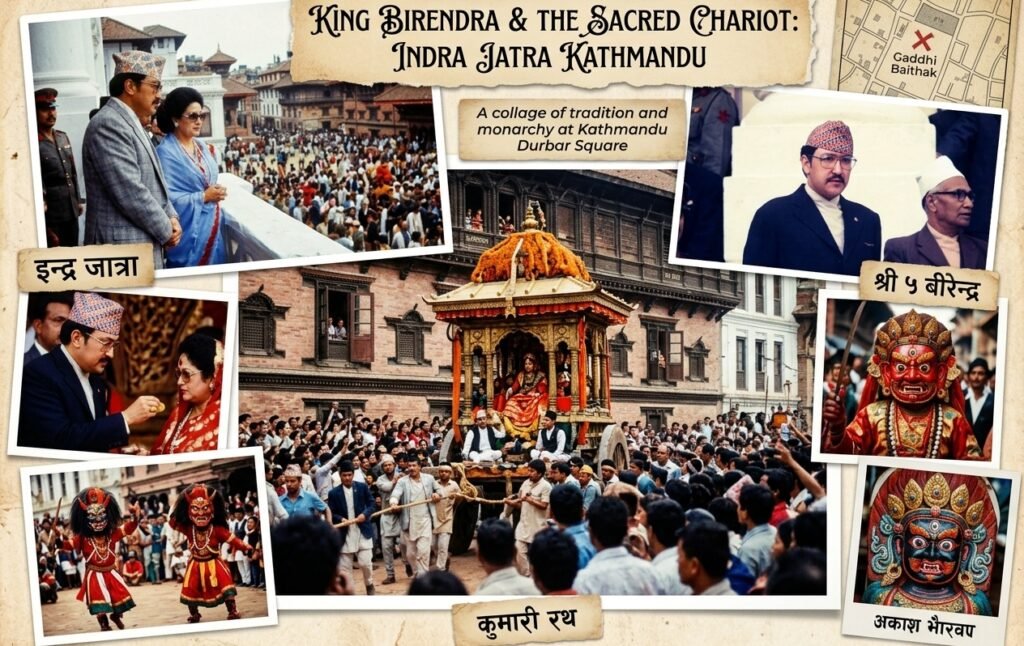
What sets them apart, in their eyes, is that many more people tend to attend a festival than may not attend it; it’s the history and meaning attached to the presence that sets them apart. This involvement of the Shah kings was rooted in centuries of royal tradition and was integrated into the recollection of numerous cultural events. Although the President can carry out designated state ceremonies, some people believe that the royal dignity, familiar rituals and sense of continuity associated with the King have been diminished since the monarchy ended.
This feeling is particularly meaningful when considering the Newar community’s deep connection to its festivals, religious institutions and living traditions. The Indra Jatra and the worship of Kumari have historical backgrounds dating back many centuries and are still sustained by the very community that believes in them. One strand of this broader cultural connection was the King’s past involvement. For those who miss the monarchy and his absence has left an emotional gap that official ceremonies alone may not fill.
The end of the monarchy did not bring Nepal’s ancient traditions to an end. The festivals continue and the temples remain places of worship, and communities continue to pass their customs from one generation to the next. Yet, among those who remember the King’s participation there is a sense that something of the old splendour has faded. They continue to miss the Shah King’s presence at cultural celebrations, believing that the bond between the Crown and Nepal’s traditional way of life was a distinctive part of the country’s heritage.
Ultimately, Nepal’s cultural traditions belong to its people and communities not to any single political institution. However, the kingship played an integral role in their past as well. For those who hold the Shah kings in high regard, remembering their participation in Nepal’s festivals and rituals is a way of remembering a chapter of the country’s cultural life that, even after 2008, continues to hold a special place in their hearts.
Why Nepal’s Ancient Traditions Continue Today
Through centuries of changing rulers and governments, and the transition from monarchy to republic, Nepal’s cultural heritage has continued to live on. Ancient temples are still functioned as a worship centre, public squares are animated during festivals, and artisans continue their traditional crafting skills that has been passed down for generations in Kathmandu Valley.
The Shah kings of Nepal played an important role in carrying this cultural legacy forward. They participated in religious ceremonies, contributed to the financial aspects of cultural and traditional activities, and contributed to festivals that linked the monarchy with Nepal’s spiritual and cultural life from one generation to the next.
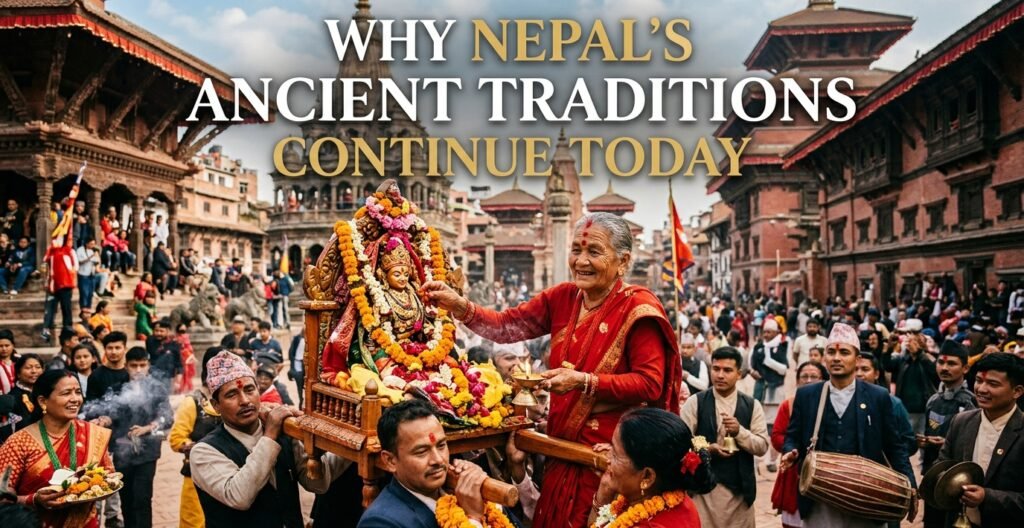
They were not just royal responsibilities but were linked with the age-old customs and religious institutions that continue to be present in the country. While many of the valley’s traditions and monuments date back to the Malla period and earlier, the Shah kings continued to uphold and support this inheritance, helping keep Nepal’s cultural identity at the heart of national life.
Conclusion on Shah kings and Nepalese culture
The Shah kings came into the cultural heritage of Kathmandu Valley with the inheritance and continuation of many cultural traditions including religious rites of Kumari and festivals like Indra Jatra. Their rule had succeeded over centuries of cultural evolution under the rule of the Malla kings and previous ruling groups.
Even after Nepal abolished the monarchy in 2008, the Shah family’s personal connection to Nepal’s cultural and religious heritage did not automatically disappear. Meanwhile the celebration of age-old traditions relies on local communities, the religious institutions, the artisans and the families. Even after throne is gone King Gyanandra of Nepal still visit temples gutis and follow religious cultures of Newari people.
Kathmandu Valley’s heritage is a shared legacy. The Shah dynasty was not merely a part of Nepal’s history; it also played an important role in preserving the country’s culture and traditions by supporting cultural programmes and taking part in festivals, ceremonies and religious events that kept Nepal’s heritage alive.