
Starting a copper business in Nepal could be an opportunity for entrepreneurs looking to invest in metal trading, recycling or manufacturing. Copper is widely used in electrical wiring, construction, plumbing, machinery and electronic equipment. As businesses require copper products for different purposes, entrepreneurs may find opportunities in supplying materials, collecting scrap or producing specialised products.
However running a successful copper business requires more than buying metal cheaply and selling it at a higher price. Understanding market demand, finding reliable suppliers, monitoring copper prices and managing operating costs are essential.
There are several ways to enter in this industry. A small entrepreneur might start with copper scrap collection, while investors with more capital could consider importing copper products, establishing a recycling facility or manufacturing electrical materials. Copper mining is another possibility although it involves substantially greater financial and technical risks.
This guide explores seven copper business opportunities in Nepal, their estimated investment requirements, potential customers and the practical steps involved in getting started.
Understanding the Copper Business in Nepal
Copper is an important industrial metal because of its excellent electrical conductivity, durability and recyclability. It is used in electrical cables, motors, transformers, plumbing systems, construction materials and industrial machinery. Potential customers in Nepal include electrical contractors, hardware shops, construction companies, manufacturers, repair workshops and metal traders.
Copper products are available in different forms, including refined copper, rods, sheets, pipes, electrical cables and scrap metal. Each category has different customers, prices and quality requirements. Copper trade of Nepal provides a useful starting point for market research. Customs trade statistics classify copper under Harmonized system chapter 74. Published trade data for fiscal year 2082/83 revealed imports of approximately NPR 15.07 billion which includes copper articles and should not be interpreted as raw copper imports alone.
This indicates that copper-related products form part of Nepal’s import market. However, the size of the market does not guarantee profitability for a this business. Understanding specific products, competitors and customer requirements is essential.
Seven Copper Business Market Opportunities in Nepal
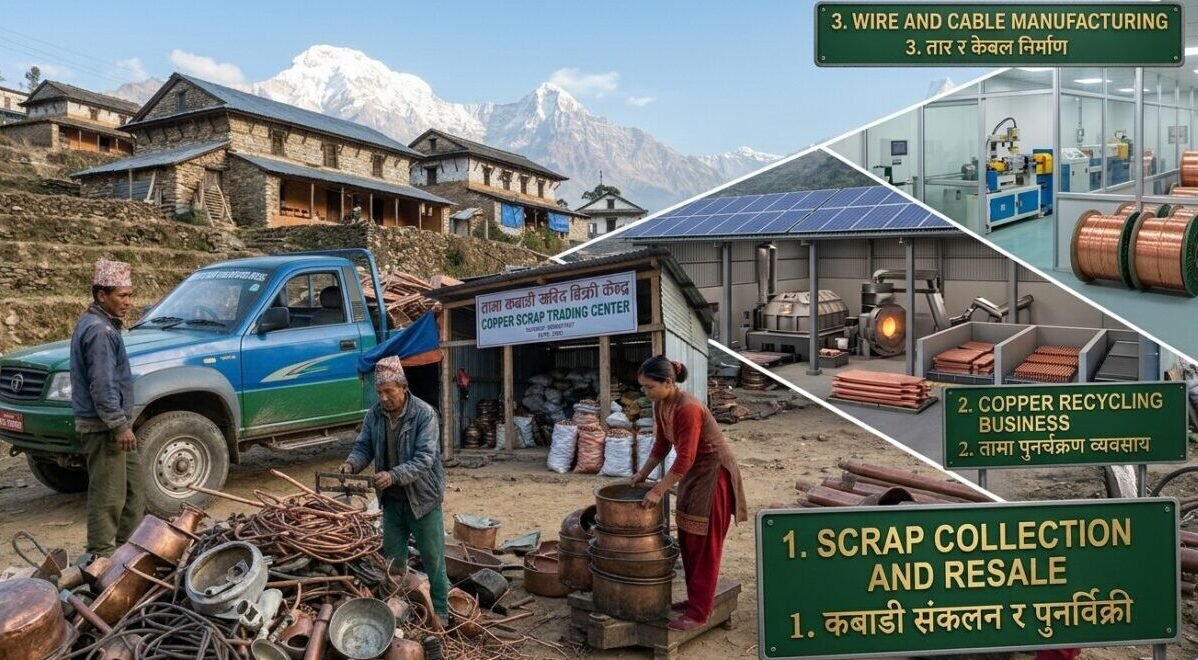
#Copper Scrap Collection and Resale
For the beginners, a copper business in the Scrap Sector in Nepal can be a viable idea as it requires less capital as compared to the manufacturing sector. Copper scrap can come from old electrical cables, damaged motors, transformers, plumbing installations, machinery and renovation projects. Entrepreneurs are allowed to purchase legally sourced scrap and sort it by quality and sell it to established scrap dealers, recyclers or suitable industrial buyers.
Building relationships with electricians, repair workshops, factories and construction contractors can help establish a consistent supply.
Estimated investment: NPR 3–10 lakh for a small collection and resale operation.
The main challenge for this business is maintaining a sufficient margin between purchase and resale prices.
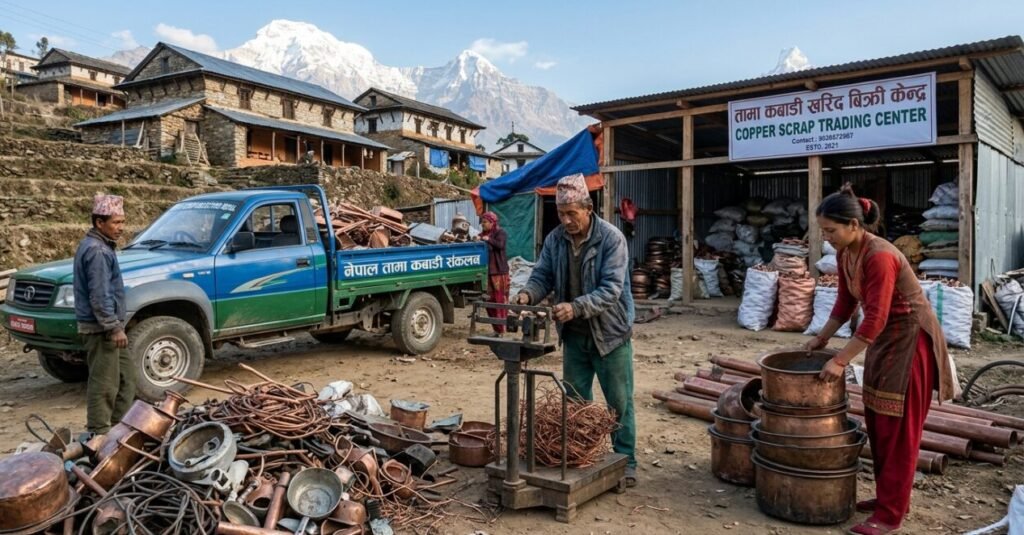
Different grades of scrap have different values and buyers may deduct for insulation, contamination or processing losses. Before purchasing large quantities always identify potential buyers and obtain their current quotations. Accurate weighing and proper transaction records are important.
#Copper Recycling Business
A copper recycling business in Nepal involves preparing recovered copper for resale then further industrial processing. Depending on the scale, this may involve sorting, mechanical wire stripping and other suitable processing methods. Recycling businesses can supply recovered material to metal traders and manufacturers. However the operation may require industrial complex, machinery, trained workers and environmental approvals.
Insulated cables should not be burned in the open, as the process releases toxic fumes that can seriously harm both people and the environment.
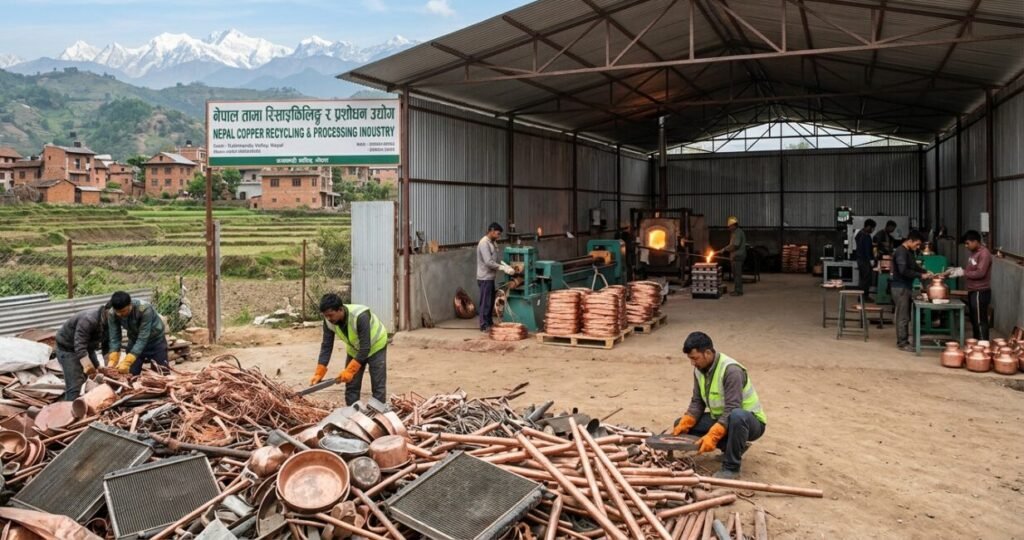
The initial investment for a small wholesale and basic processing unit would be NPR 10-40 lakh depending on the equipment and size of processing.
Profitability depends on the quality of incoming scrap, copper recovery rates, processing expenses and the selling price of the recovered material.
#Copper Import and Wholesale Trading
Importing copper into Nepal is best suited to entrepreneurs who have enough working capital and can reach reliable international suppliers. Products could include copper rods, sheets, pipes, strips and electrical materials. Potential customers include electrical wholesalers, construction suppliers, hardware retailers and industrial businesses.
First of all, determine the complete landed cost of the copper prior to import, which includes the purchase price, cost of freight, insurance, duties, taxes, clearance costs and transportation.
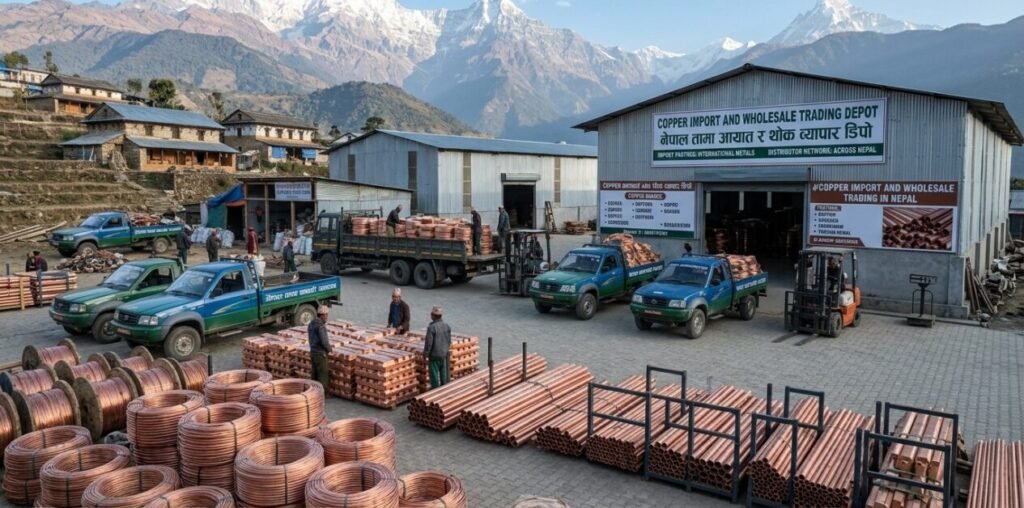
Estimated investment: NPR 15–50 lakh or more, depending on order size and product type.
Start with a small order range and confirm the customer demand before placing a huge order can lower the financial risk. Importers should also check the correct customs classification and any registration requirements before buying stock.
#Copper Wire and Cable Manufacturing
The production of copper wires is an alternative method to enter the electrical supply chain in Nepal, but involves technical expertise and also considerable investment. Production may involve drawing copper into wire, applying insulation and testing the finished product for electrical performance and quality.
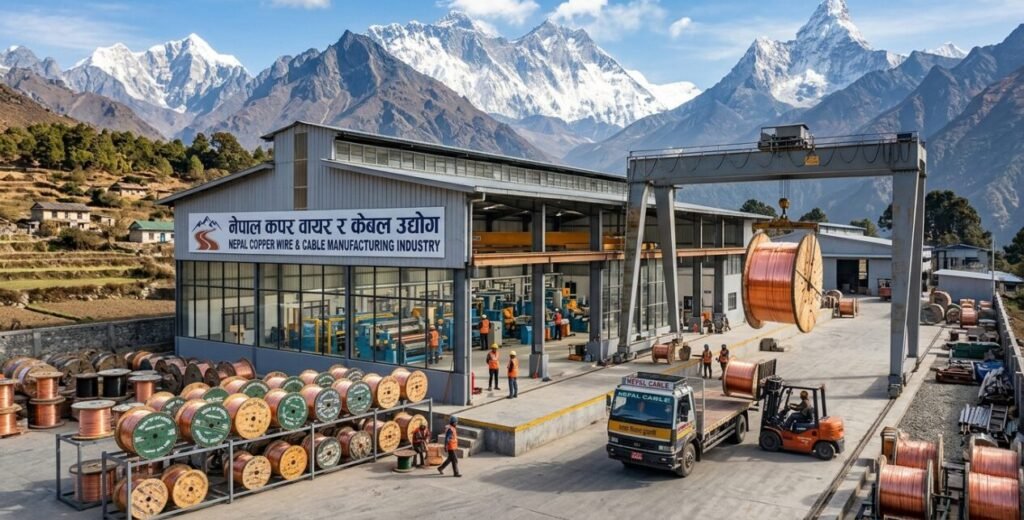
Equipment, trained operators, reliable raw materials and suitable production facilities are essential. The capacity of machinery and estimated investment to NPR 50 lakh to NPR 3 crore per set or more based on machinery and capacity. A new company will have to sell their products in competition with market offerings from established firms and imports.
Before investing, conduct a feasibility study, obtain machinery quotations and confirm the applicable product standards and certification requirements.
#Copper Products and Fabrication
Another opportunity is producing specialised copper components, fittings, decorative items or sheet-metal products. A small business could focus on a limited range of products for electrical contractors, workshops, manufacturers or specialist retailers.
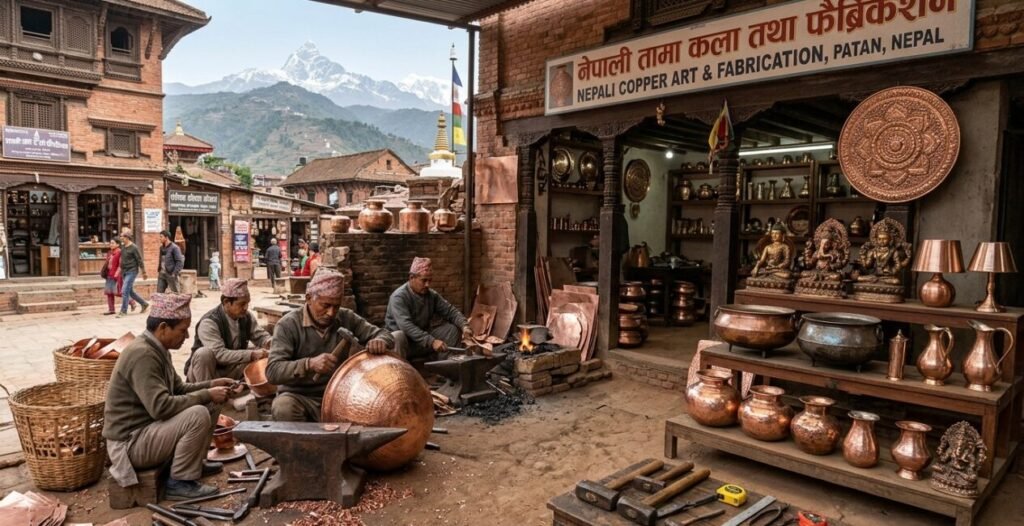
The investment will be based on equipment and skills needed. Before buying machinery, entrepreneurs must determine what their customers demand and estimate the cost of materials, labour and production.
#Copper Mining in Nepal
Copper mining in Nepal may interest investors exploring mineral resources. Copper occurrences have been reported in districts including Makwanpur, Dhading, Solukhumbu, Udaypur, Tanahun, Baglung and Bhojpur. However, finding copper-bearing rock does not necessarily mean a deposit can be mined at a profit.
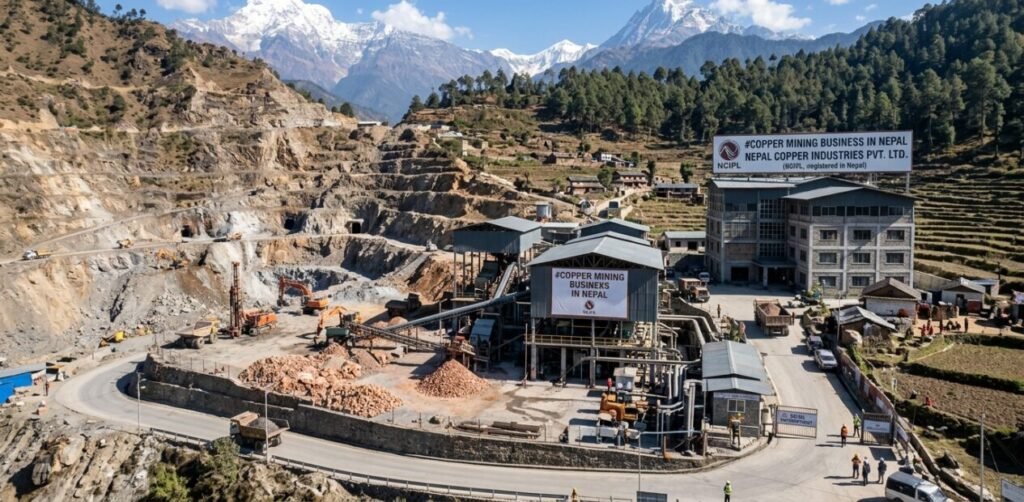
Geological surveys, sampling, resource assessment, exploration and economic feasibility studies are necessary. Investors must also look into mineral rights, licensing, land access, and environmental requirements through the Department of Mines and Geology. Mining is a capital-intensive, high-risk process and is typically not a viable way for beginners with little technical expertise and funding.
#Copper Wholesale Supply to Local Businesses
Entrepreneurs can also buy copper products from large manufacturers or importers and sell them to retailers, contractors, and industrial customers. This model allows the entrepreneur to focus on distribution rather than running a factory.
However, working capital, inventory management, and customer payment terms will still be important. Building strong relationships with customers and specializing in a specific product category can help a new wholesaler compete with larger suppliers.
A realistic budget should include inventory, premises, transportation, equipment, registration, taxes, and working capital. Having a cash reserve is important because money may be tied up in stock or unpaid customer invoices. 4. Copper Business Profit in Nepal Profit depends on the purchase price, selling price, material quality, and operating expenses. Let’s look at a hypothetical scrap transaction involving 500 kilograms of copper.
3. How much Investment is needed?
The following numbers are preliminary planning estimates; they are not verified quotes or guaranteed minimum requirements.
| Business type | Estimated starting capital |
|---|---|
| Small copper scrap collection | NPR 3–10 lakh |
| Scrap wholesale and basic processing | NPR 10–40 lakh |
| Copper import and trading | NPR 15–50 lakh+ |
| Copper manufacturing | NPR 50 lakh–3 crore+ |
| Copper mining | Project-specific; potentially several crores |
A realistic budget should include inventory, premises, transportation, equipment, registration, taxes, and working capital. Having a cash reserve is important because money may be tied up in stock or unpaid customer invoices.
4. Copper Business Profit in Nepal
Profit depends on the purchase price, selling price, material quality, and operating expenses. Let’s look at a hypothetical scrap transaction involving 500 kilograms of copper.
| Item | Amount |
|---|---|
| Purchase price per kg | NPR 800 |
| Total purchase cost | NPR 400,000 |
| Selling price per kg | NPR 850 |
| Total sales revenue | NPR 425,000 |
| Gross profit | NPR 25,000 |
If transportation, labor, and other transaction costs total NPR 10,000, the remaining profit before tax would be NPR 15,000. These prices are examples only; they are not current market quotes. Actual results will vary depending on local prices, scrap purity, processing losses, and operating costs.
The main point is that gross profit is not the same as net profit. Entrepreneurs should get current buying and selling quotes and calculate all expenses before making a deal.
Legal Requirements and Business Risks
Before starting a copper business in Nepal, find out what business registration, PAN/VAT, customs, and license requirements apply. Importers should confirm the correct product classification, duties, taxes, and documentation through the Nepal National Single Window. Manufacturers and recycling businesses should look into industrial registration and any needed environmental approvals through the Department of Industry.
Mining requires separate verification of mineral rights and relevant permits. Some common business risks include fluctuating copper prices, unreliable suppliers, competition, cash flow problems, and inconsistent material quality. You can reduce these risks by verifying suppliers, keeping good records, avoiding too much inventory, and building relationships with buyers before you expand.
Frequently Asked Questions
Is the copper business profitable in Nepal?
It can be profitable when a business gets reliable supplies, sells at competitive prices, and controls its expenses. Your actual return will depend on your business model and market conditions.
How much money do I need to start a copper business in Nepal?
A small scrap collection operation might need NPR 3–10 lakh based on the estimates used in this guide. Importing, manufacturing, and mining generally require more capital.
Where can I buy copper in Nepal?
Possible sources include established metal dealers, scrap suppliers, manufacturers, and importers. Always compare prices, confirm material quality, and verify the legal origin of scrap.
How can I check the copper price in Nepal?
Ask local dealers and buyers for quotes on the exact material and grade. International market prices can help explain trends, but local prices also reflect transport, currency movements, and product quality.
Is copper recycling better than copper importing?
Neither is automatically better. Recycling may work well for entrepreneurs who have reliable local scrap supplies, while importing may work well for entrepreneurs who have enough working capital and established customers. The best option depends on actual costs and demand.
Conclusion
The copper business in Nepal provides opportunities in scrap trading, recycling, importing, manufacturing, and wholesale distribution. Each model requires a different amount of investment, technical knowledge, and risk management. For beginners, copper scrap collection or small-scale wholesale trading may provide a more manageable way to learn about the market.
Large investments should be made only after doing thorough research, verifying suppliers, and creating a financial plan. Ultimately, success depends on finding reliable buyers, buying the right material at the right price, and controlling costs. A well-researched business with realistic expectations has a better chance of succeeding than one based on assumptions about copper prices or potential profits.
FAQ
You may like to read about Kathmandu, Nepal: History, Population, Culture and Best Places to Visit 2026