

Overview
In my previous blog, I explored the Top 6 Places to Visit in Dhangadhi. This time I will tell you about the famous lake in Kailali district. Ghodaghodi Lake Area If you’re looking to visit Ghodaghodi Lake in Nepal, there are certain things you should know.When you plan to visit the Ghodaghodi Tal in Nepal, you should be aware of these 6 things.
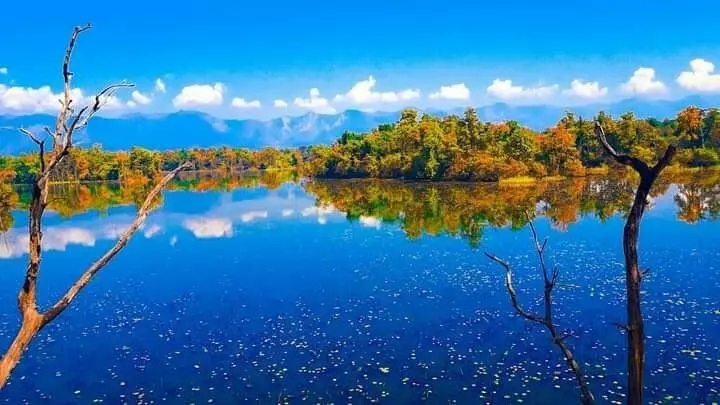
Ghodaghodi Taal in Nepal, Kailali District in Sudurpashchim Province is one of the outstanding natural places of the country. It is also referred as Ghodaghodi Lake, Ghodaghodi, Ghoda Ghodi or Ghoda Ghodi lake and its values include its natural beauty, biodiversity, birds, wildlife, forests, religious significance and local culture.
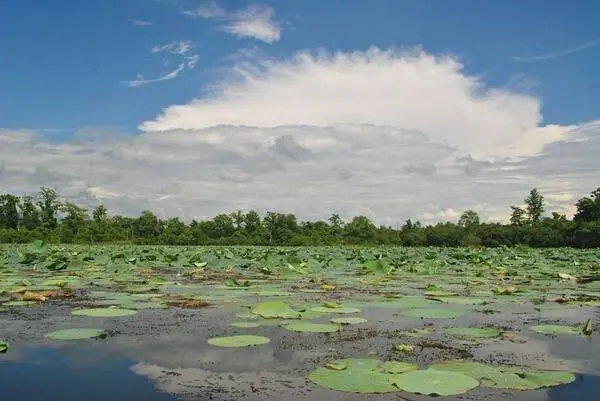
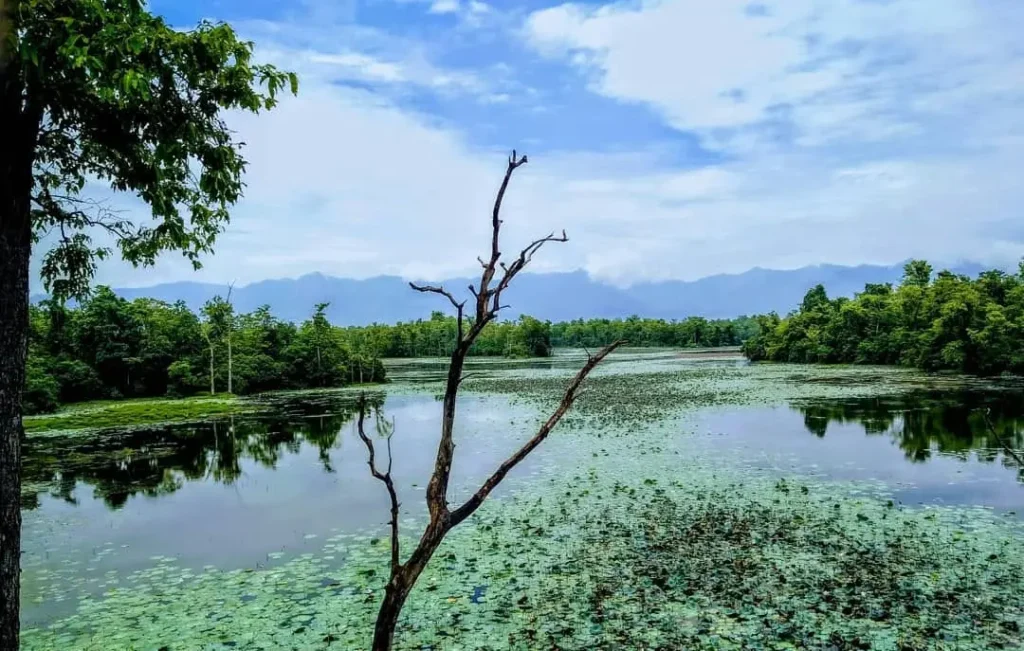
The Ghodaghodi Area is not a single lake but a collection of lakes. Expansive wetland landscape and associated natural areas, forest, streams, lakes and ponds. According to Nepal Tourism Board, Ghodaghodi is a natural freshwater oxbow lake in which there are 13 other lakes and ponds.
It was built in August 2003 at a height of 0.12 miles above sea level. It spans 2,563 hectares of the Kailali District’s lower slopes of the Siwalik Hills. The term ‘Ghodaghodi’ comes from the Nepali words for male and female horses. Ghodaghodi Lake is made up of nine lakes: Ghodaghodi, Ojhuwa, Purbi Ojhuwa, Chaitya, Baishawan, Sunpokhari, Nakhrodi, Budhi Nakhrodi, and Ramphal.
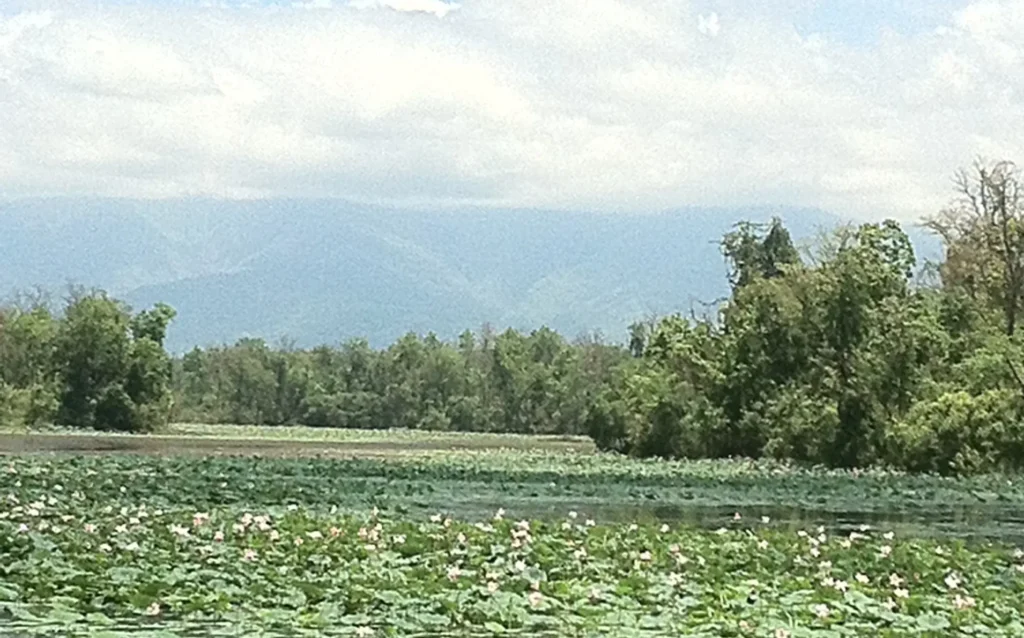
This area’s woodland and ponds also serve as a wildlife corridor between the Terai and Churia highlands. Ghodaghodi Lake can meet two of the eight indicators. In 2003, Ramasar site indications were designated at the international level, offering habitat for more than There are 20,000 wetland-dependent birds in the region, which supports a 1% cotton pygmy population.
you may also like to read about How many bird species are found in Nepal? A Complete Guide
History of Ghodaghodi Lake (घोडाघोडी ताल)
A recluse crushed Lord Shiva and Parvati into a horse, according to Historian. The lake was formerly encircled by God Shiva and Goddess Parvati. Ghodaghodi Lake is now a significant place of devotion for the Tharu people. On the lake’s shore, there is a modest temple. During the Agahan Panchami and Maghi Festivals, many Tharus congregate. They present clay horses, elephants, and tigers to the Goddess Gauri Mata in order for their desires to be granted. The lake is a natural oxbow lake made up of a complex network of roughly 13 big and shallow lakes and ponds, including Nakhrodi Lake and various related marshes and meadows.
Religious place
The lake is a significant religious site, with a temple devoted to the Ghodaghodi god, where indigenous Tharu people celebrate Agan Panchami, a traditional festival in December, and take a sacred bath in the lake. Because of the high population inside the site (about 6,700 individuals, 50% of whom are illegal immigrants from neighboring mountainous areas), it is heavily used for traditional fishing and agriculture.
Plants and birds in Ghodaghodi Lake
lake is bordered by tropical deciduous forest and a few streams divided by hillocks on the outskirts. These lakes are surrounded by tree forest, shrub forest, and agricultural forest, which adds to their natural beauty. The lake is home to 388 vascular plants, including five pteridophytes, 253 dicots, and 130 monocots.
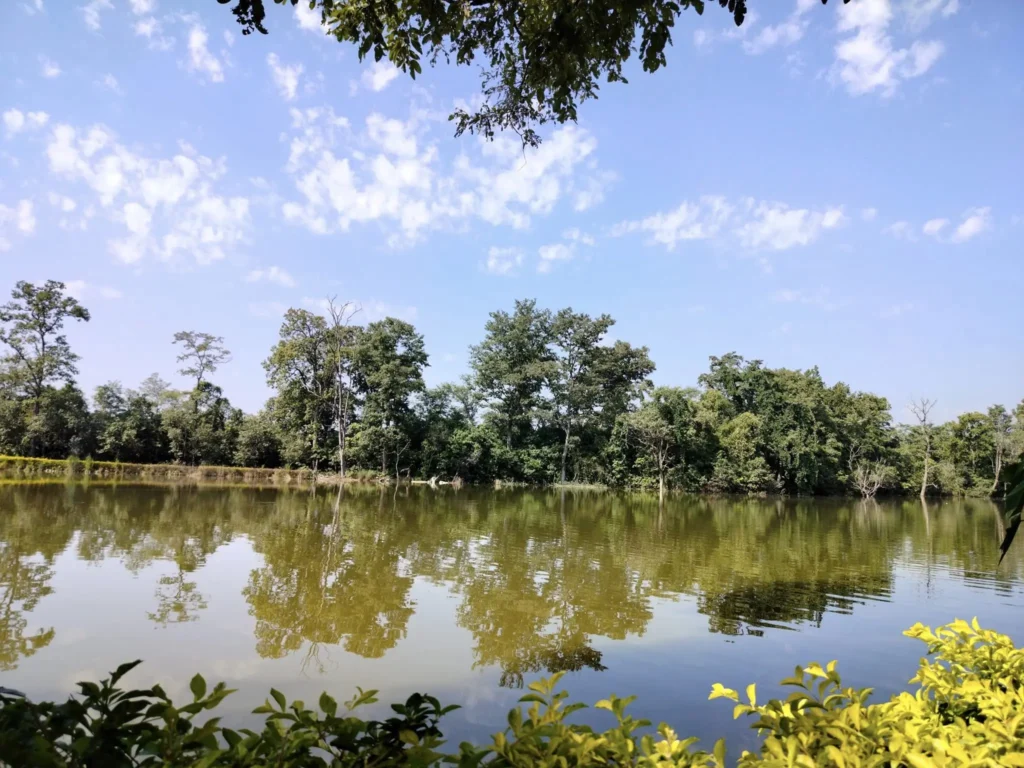
The forest and ponds provide a wildlife corridor connecting the Terai lowlands and the Siwalik Hills. They help critically endangered and vulnerable species such as the Bengal Tiger, the Smooth Coated Otter, the Eurasian Otter, the Swamp Deer, the Lesser Adjutant, the Marsh Crocodile, the Red-Crowned Turtle, and the Three Striped Roofed Turtle.
Top things to do in घोडाघोडी ताल
- Sightseeing
- Boating
- Fishing
- Exploring
The lake has become an intrinsic part of the people who live around it. Because the surrounding land is very fertile, it offers excellent chances for agricultural and cattle grazing. In addition, the lake provides residents with fodder, fuelwood, the potential to enhance tourism, and a terrific spot to fish. Ghodaghodi has contributed to the region’s microclimate as well as flood mitigation and replenishment.
Threats in lake
- High reliance on forest and wetland resources; domestic livestock overgrazing
- Poaching causes the extinction of protected species.
- The process of eutrophication Settlement development, expansion and projects for growth
- Sedimentation/siltation, as well as erosion
- Exotic plant species introduction or invasion
- Agriculture drainage/reclamation
- Vegetative succession
घोडाघोडी ताल – natural beauty of Farwest
If you’re looking to visit घोडाघोडी ताल in Nepal, there are certain things you should know.When you plan to visit the Ghodaghodi , you should be aware of these 6 things.
Ghodaghodi, in Nepal, Kailali District, Sudurpashchim Province is one of the outstanding natural places of the country. It is also referred as Ghodaghodi (घोडाघोडी ताल), Ghodaghodi, Ghoda Ghodi or Ghoda Ghodi lake and its values include its natural beauty, biodiversity, birds, wildlife, forests, religious significance and local culture.
The Ghodaghodi Area is not a single lake but a collection of lakes. Expansive wetland landscape and associated natural areas, forest, streams, lakes and ponds. According to Nepal Tourism Board, Ghodaghodi is a natural freshwater oxbow lake in which there are 13 other lakes and ponds.
Tina were there are a number of interesting things to know before visiting Ghodaghodi Lake Nepal. Here are six reasons why this remarkable place is important – its location, its designation as a Ramsar site, wildlife, bird watching, culture, and tourism.
Which country is Ghodaghodi ताल located in?
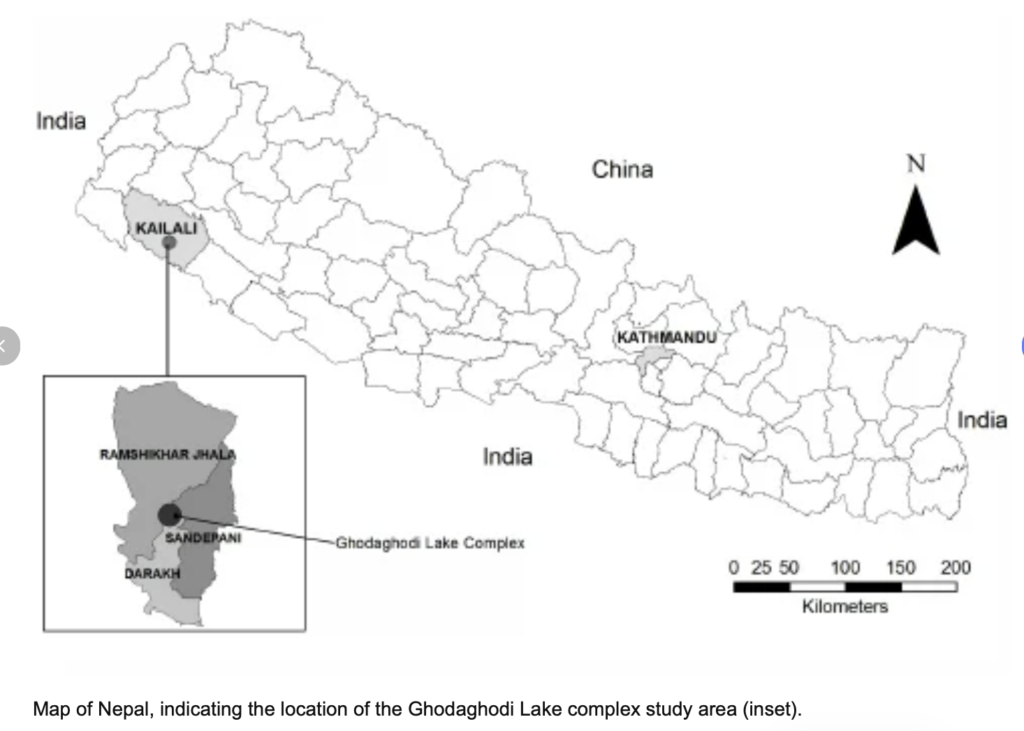
Ghodaghodi Lake is situated in Sudurpashchim Province in western Nepal. घोडाघोडी ताल is in the western part of Sudurpashchim Province in Kailali district of Nepal. The lake is situated amidst the lower slope of the Siwalik Hills at the Terai region.
In Ghodaghodi Municipality in the western part of Nepal, people searching for Ghodaghodi Lake in Map of Nepal will find it located in that area. It is geographically situated, bridging the wetland area of the Terai and the forested area towards the Siwalik area.
The Ghodaghodi Area is much larger than the lake itself. Forests, wetlands, smaller waters, farmers, and small places of residence surround this area.
The Ghoda Ghodi Lake is interesting place to visit on the western side of Nepal and Sudurpashchim Province because of its location.
Ghodaghodi in Map of Nepal
Map of Nepal suggests that Ghodaghodi Tal is in western Terai of the Nepalese Terai. The lake is located in Kailali District, which is an important natural site of Sudurpashchim.
It is also ecologically significant due to its location; it is surrounded by habitats, which acts as a bridge between different habitats.
Ghodaghodi lake is famous because of:
The Ghodaghodi Lake is renowned for its natural beauty, wetlands, biodiversity, wildlife, birds and its cultural importance.
The word Ghodaghodi is related to the word horse in Nepali. According to a local legend Lord Shiva and Goddess Parvati took the form of horses to circle around the lake which in turn is believed to be the reason for the naming of the lake.
Due to this cultural link, the term Ghoda Ghodi doesn’t just mean a geographical place. It is also associated with the local religious customs and beliefs.
The lake too is significant to the local communities including the Tharus. There are also religious sites and traditional events around the lake.
Ghodaghodi Taal Nepal today is a place which draws nature lovers as well as nature, photography lovers, bird, wildlife, culture and tourism enthusiasts.
Key facts on Ghodaghodi Lake Area:
The Ghodaghodi Lake Area is an Internationally Important Wetland (on assignment)
The international wetland recognition status of Ghodaghodi Lake is undoubtedly one of the most important facts about the lake.
On 13th August 2003 the Ghodaghodi Lake Area became a Wetland of International Importance, known as a ‘Ramsar Site’. Designated Ramsar area 2563ha.
The broader wetland system comprises the main freshwater oxbow along with neighbouring lakes, ponds, marshes and meadows, streams and forest.
This could make the Ghodaghodi Taal Area environmentally and biodiversity significant. It supports a range of species and helps to maintain the ecological well-being of the surrounding area due to its wetlands.
The “Ramsar status” is one of the most significant facts to know about the Ghodaghodi lake Nepal for any travellers researching the lake as it shows that the place has importance to people beyond just local tourists.
The Ghodaghodi Tal Area is important because:
Ghodaghodi Lake Area has a relatively un fragmented landscape with ecosystems present. Aquatic species rely on water bodies and terrestrial species rely on forests; and birds and other forms of wildlife rely on the forests and soil.
This makes the area very important to both the conservation and responsible tourism sectors.
Wildlife and Birds at Ghodaghodi Taal.
Its one of the most interesting features is the biodiversity of Ghodaghodi Taal
The lake and surrounding wetlands and forests support various bird, fish, reptile, mammal, aquatic plant and other species.
Wider Ghodaghodi Lake Area records are important to document threatened and vulnerable species, including several of the following species: Wildlife around here include the Bengal Tiger, Swamp Deer, Smooth-coated Otter, Common Otter, Marsh Crocodile, Lesser Adjutant Stork and various species of turtles.
Ghoda Ghodi Taal is a combination of wetlands and forest making it a site of interest for nature lovers.
Introduction to Bird-watching at Ghodaghodi Taal
When in the town, staying in Ghodaghodi hotel can also serve as an ideal opportunity for bird-watching. Many species of birds depend upon wetland habitats and feeding areas.
Bird lovers can observe birds in the vicinity of the lake and the vegetation around the lake. Binoculars and an appropriate camera lens may be beneficial in observing wildlife without coming too close to the animals.
Peaceful atmosphere of Ghodaghodi also makes the area interesting for photographers to photograph the aspects of wetland ecosystem such as landscape, bird, vegetation and other aspects.
Religious and Cultural Significance of Ghodaghodi Taal
Ghodaghodi Taal is not only of natural and biodiversity value but also has great socio-economic importance.
Local communities, including Tharu people, have religious and cultural significance of the lake. The shrine dedicated to the Ghodaghodi deity is related to the lake, while in the region, the traditional festivals and religious acts are performed.
Part of the cultural traditions associated with Ghodaghodi is why the lake has its significance among the local and visitors alike.
For travelers, a visit to Ghoda Ghodi Taal can be a chance to explore not only Nepal’s natural habitat but also its cultural heritage.
People visiting the Ghodaghodi Lake Area respect religious institutions, local customs and traditions, and the community practices.
Conclusion
Ghodaghodi Taal is one of the historic places lying on the far west of Nepal. There are many animals and plants based on this place. This is one of the endangered places for all the fauna and flora found in this Ramsar. Saving those species is essential for Ghodaghodi Lake so that future generations can know about this place better.
FAQ on Ghodaghodi Taal
What species are found in the Ghodaghodi Taal?
There are 388 vascular plants: five ptredophytes, 253 dicots, and 130 monocots, as well as the Bengal tiger, smooth-coated otter, Eurasian otter, swamp deer, lesser adjutant stork, red-crowned roofed turtle, and three-striped roofed turtle.
How far is Ghodaghodi lake from Dhangadhi?
Distance= 55 to 60 km
Driving time= about 1 to 1.5 hours
Route= Dhangadhi → Attariya/Lamki area → Ghodaghodi Lake
Ghodaghodi Lake is in Kailali District, along the East–West Highway.How far is Ghodaghodi Tal from Nepalgunj?
Ghodaghodi Tal is approximately 123 to 130 km by road from Nepalgunj.
Distance: = 123 to 130 km
Driving time = roughly 2 to 3 hours
Main route = Nepalgunj → Kohalpur → Chisapani/Karnali → Ghodaghodi
Ghodaghodi Tal is in Kailali District, Sudurpashchim Province.
Table of Contents
[…] you may like to read about Ghodaghodi Lake (घोडाघोडी ताल) […]